IN-V-BAT-AI Math Tutor on Phone.
Grade 3-12 mastery for only $1 💖
IN-V-BAT-AI makes math mastery unforgettable.💖
🌍 Trusted by 250,983 learners in 150 countries
Grade 3-12 mastery for only $1 💖
🤖in-v-bat-ai
🧠Recall
Mission
2
IN-V-BAT-AI makes math mastery unforgettable.💖
🌍 Trusted by 250,983 learners in 150 countries
Critical Thinking
















Critical Thinking Collected Knowledge
Asking insightful questions is a demonstration of critical thinking skills.
✅ The above statement is valid and aligns with established models of critical thinking.
Question 39
Question thirty nine
Question 38
Question thirty eight
Question 37
Question thirty seven
Question 36
Question thirty six
✨ Effective Training Guide
Question 35
Question thirty five
Question 34
Question thirty four
Question 33
Question thirty three
Question 32
Question thirty two
Question 31
Question thirty one
Question 30
Question thirty
Question 29
Question twenty nine
Question 28
Question twenty eight
Question 27
Question twenty seven
Question 26
Question twenty six
Question 25
Question twenty five
Question 24
Question twenty four
Question 23
Question twenty three
Question 22
Question twenty two
Question 21
Question twenty one
Question 20
Question twenty
Question 19
Question nineteen
Question 18
Question eightteen
Question 17
Question seventeen
Question 16
Question sixteen
Question 15
Question fifteen
Question 14
Question fourteen
Question 13
Question thirteen
Question 12
Question twelve
Question 11
Question eleven
Question 10
Question ten
Question 9
Question nine
Question 8
Question eight
Question 7
Question seven
Question 6
Question six
Question 5
Question five
Question 4
Question four
Question 3
Question three
Question 2
Question two
Question 1
Question one
Copyright 2026
Critical Thinking Collected Knowledge
by Apolinario "Sam" Ortega, founder IN-V-BAT-AI
A person trained to think critically has the ability to remember an insightful checklist of questions that need to be answered for Governance, Risk, Audit, and Compliance (GRAC) applications.
Inferences can be accurate or inaccurate, logical or illogical, justified or unjustified.

What is the key problem?
What information do you have about it?
Are the cited facts wrong or outdated?
What facts are you ignoring—and why? What don't you know?
Critical thinkers begin by identifying assumptions and interpretations.
They assess arguments by analyzing and questioning bias or emotion. They draw conclusions by evaluating whether the evidence is clear, credible, valid, and actionable.
It reflects core principles supported by academic and professional sources, including the University of Tennessee at Chattanooga and Strategic Leaders Consulting.
1. Identifying assumptions and interpretations:
This is a foundational step in critical thinking. Assumptions shape how problems are framed and how information is interpreted. Recognizing and challenging these assumptions helps avoid bias and fosters deeper analysis.
2. Analyzing bias and emotion:
Critical thinkers actively question emotional reasoning and cognitive biases such as confirmation bias. These biases can distort judgment and hinder objective evaluation. Avoiding emotional reasoning and examining bias are key traits of disciplined thinking.
3. Evaluating evidence:
Drawing conclusions based on clear, credible, and valid evidence is central to critical thinking. Experts emphasize the importance of assessing the quality of information, considering alternative viewpoints, and tolerating ambiguity when necessary.
4. Actionable conclusions:
While not always explicitly stated in academic definitions, the idea of drawing conclusions that are not only valid but also actionable aligns with decision-making frameworks that apply critical thinking to real-world problems.
Conclusion:
The statement accurately captures the essence of critical thinking as defined by educational institutions and thought leaders. It integrates cognitive rigor with practical application, making it both valid and useful.
Sources:
Believe in Mind, University of Tennessee at ChattanoogaUniversity of Tennessee at Chattanooga, Strategic Leaders Consulting
Last Update
Question thirty nine
What can we know with confidence?
What persists through change? What happens when prediction fails? What does the system know, how reliable is that knowledge, and who is responsible when it acts?
Source: Massoud Amin ; Attribution link above
Question thirty eight
We're Asking the Wrong Question About Operational Technology (OT) Security InvestmentSource: Robert M. Lee ; Attribution link above
Question thirty seven
What is something you really wish you had
    that current Edtech solution provider don't provide?
    that current power transformer remaining useful life solution provider don't provide?
    that current electric grid monitoring and diagnostic solution provider don't provide?
    that current electric grid fault event and notification dashboard don't provide?
    that current electric grid asset risk management, asset capital planning, asset failure prediction dashboard don't provide?
Source: Steve Kupfer ; Attribution link above
Question thirty six
✨ Effective Training Guide
An effective training program should answer three simple questions:

1. Was the training engaging and useful?
   Did the student or employee feel the material matched their needs?

2. Did they remember what was taught?
   The knowledge and skills should stay with them after the session.

3. Can they use it in real life?
   Are they able to apply what they learned to their assignments or job tasks?
Source: ; Attribution link
Question thirty five
Is this trend really happening today?
What evidence shows that it is already taking place?

Is this trend something we can predict by looking at past patterns?
If yes, can the pattern help us guess what might happen next?
Can we identify which events in the pattern matter the most?
Can we connect the pattern to real events and understand what those events mean?
Can the pattern help us decide which actions should be taken first?

Or is this trend hard to predict because many different factors are influencing it?
Source: ; Attribution link
Question thirty four
What do you mean by _ ?
Could you give me an example?
Could you explain that further?
How does this relate to our discussion?
Source: Ben Degen ; Attribution link above
Question thirty three
How to sell AI products or service ?Source: Jade Worall ; Attribution link above
Question thirty two
Can I design a $30-per-year subscription business model for 504 websites that uses AI voice-to-text search to solve the forgetting problem?Source: Sam Ortega ; Attribution link above
Question thirty one
Why real scientific breakthroughs will come not from answering known questions ?Source: Thomas Wolf ; Attribution link above
Question thirty
What are the start up questions for AI Edtech and AI Workforce ?Source: codieawards.com ; Attribution link above
Question twenty nine
How do you know if the objective is unrealistic or unachievable ?
Question twenty eight
What is the method and standard of success measurement ?
Question twenty seven
What will be the criteria for measuring success ? Is it time saving? Is it quantity improvement? Is it quality improvement, Is it money saving ?
Question twenty six
What does the outcome look like if the effort is successful ?
Question twenty five
If this objective is achieved, what will success look like ?
Question twenty four
What are the known issues and challenges about this problem ?
Question twenty three
What measures will we use to evaluate our success ?
Question twenty two
Are there alternatives to explore? Why aren't we looking at them ?
Question twenty one
What are the implications of drawing those conclusion ?
Question twenty
What conclusion do we draw ?
Question nineteen
What is stopping us from achieving our objectives ?
Question eightteen
What is influencing you at this moment ?
Question seventeen
What sources of information are we using? Are there other sources of input to help us explore and evaluate the problem ?
Question sixteen
How do we know we collected enough data ?
Question fifteen
What would we like to see as a successful outcome? What do we want to avoid as an outcome?
Question fourteen
Why this problem is not yet solve? What is wrong with the previous solution? How is my propose solution different?
Question thirteen
Why it is important to solve this problem? Who will benefit if we solve this problem?
Question twelve
What is the problem?
Question eleven
When, where, and why do we experience the problem?
Question ten
What would happen if we changed our assumptions?
Question nine
What are the assumption others are making? Why do you think they are making these assumptions?
Question eight
What are the assumption we're making? How can we test them?
Question seven
Is my interpretation fair and generally accepted industry practice?
Question six
Is my interpretation reasonable enough to based my decision?
Question five
Is my interpretation of the problem to solve logical can be validated using computer simulation?
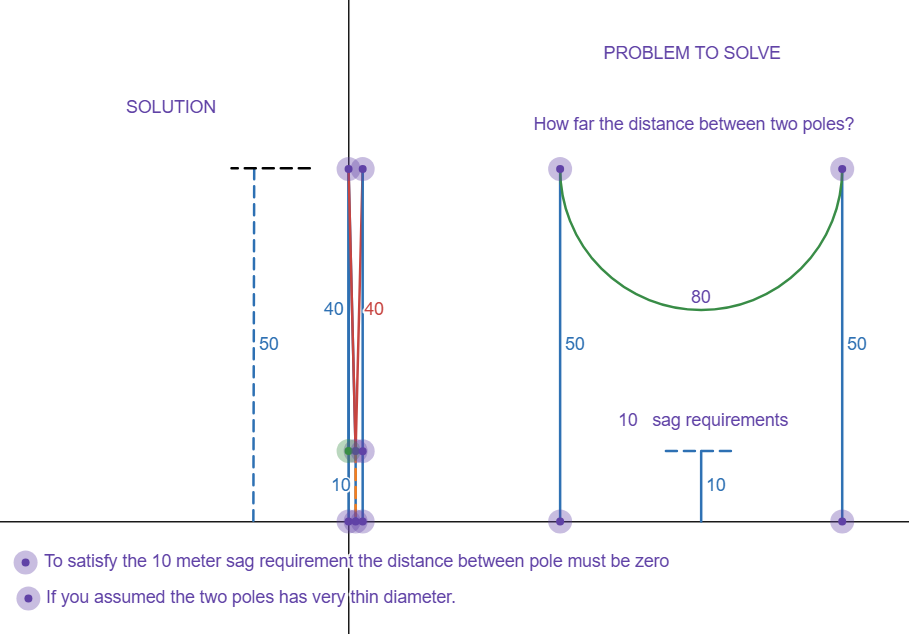
Question four
Is my knowledge or information accurate and can be verified?
Question three
Is my recommendation clear to the decision maker?
Question two
Is my knowledge or information updated and relevant to the decision?
Question one
Is my information updated, still valid, relevant, and reliable to base my decision?

 How to help everybody see the same problem and make it easy for all stakeholders to agree to implement the best solution at that time.

 How to do it. Find the answer to question starting with who, what, where, when, why, and how.
Copyright 2026
Never Forget Again with IN-V-BAT-AI
INVenting Brain
Assistant Tools
using Artificial Intelligence
(IN-V-BAT-AI)
Established 2009
Learners this year (as of 10/12/2026): 262,738
Representing 150 countries
Learners this year (as of 10/12/2026): 262,738
Representing 150 countries